
Details
Features and Benefits:
- All weather traction
- Fuel efficient performance
- Enhanced load durability
- Longer lasting usability
Continental HTR2 Tires
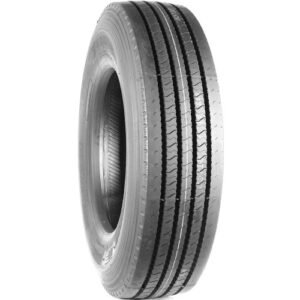
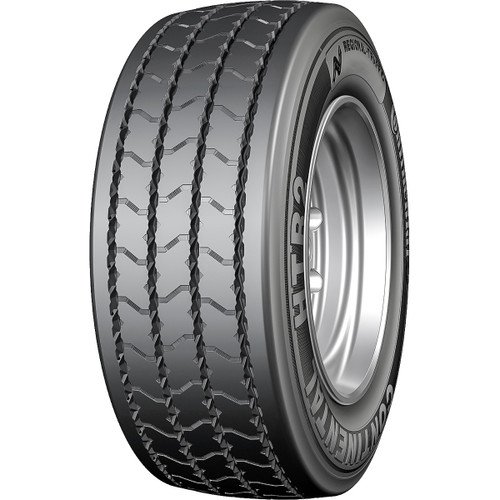
The Continental HTR2 is a highway terrain, all season tire made for the trailer axle of commercial vehicles.
The tire upgrades the all season driving safety. The tread pattern and the all season compound increase the dry, wet and winter weather traction. The durable all season compound’s rubber elements keeps the ideal flexibility in versatile temperatures. The tire’s tread design manages to firmly grip the road surface with extra biting edges, which ensure the tire’s forward motion at all times. The tread’s circumferential grooves actively disperse water and slush from the footprint, avoiding hydroplaning in the process.
The stronger all weather traction also helps to improve the fuel efficiency. The better traction and the decreased tire weight ease the pressure off the tire and allow the model to lower its rolling resistance. The rolling resistance is the pressure affecting the tire which determines the vehicle’s needed fuel consumption. By reducing the rolling resistance, the tire decreases the vehicle’s fuel intake and CO2 emission levels, which results in a fuel conscious driving experience.
The tire’s stronger load durability is ensured with the reinforced construction. The durable steel belt structure maintains the ideal tire shape under the load and driving pressure. As the tire does not deform under the pressure, it is able to carry and withstand heavy loads with ease. This significantly boosts the load capacity of the tread. This structure also optimizes the tire’s surface contact throughout the drive, which upgrades the steering responsiveness and the driving stability.
The Continental HTR2 promotes a longer lasting usability. The tread’s ribbed design and the wider shoulder area work together to ensure even pressure distribution along the tread area. The maintained road contact enables the tire to equally spread out the driving pressure along the tread area, avoiding premature and irregular wear formations across the tread area. This results in a lengthened service life and usability.
Manufacturers recommend changing tires every 10 years. As long as tires are properly stored before they are sold, the year of their manufacture will not shorten their service life.